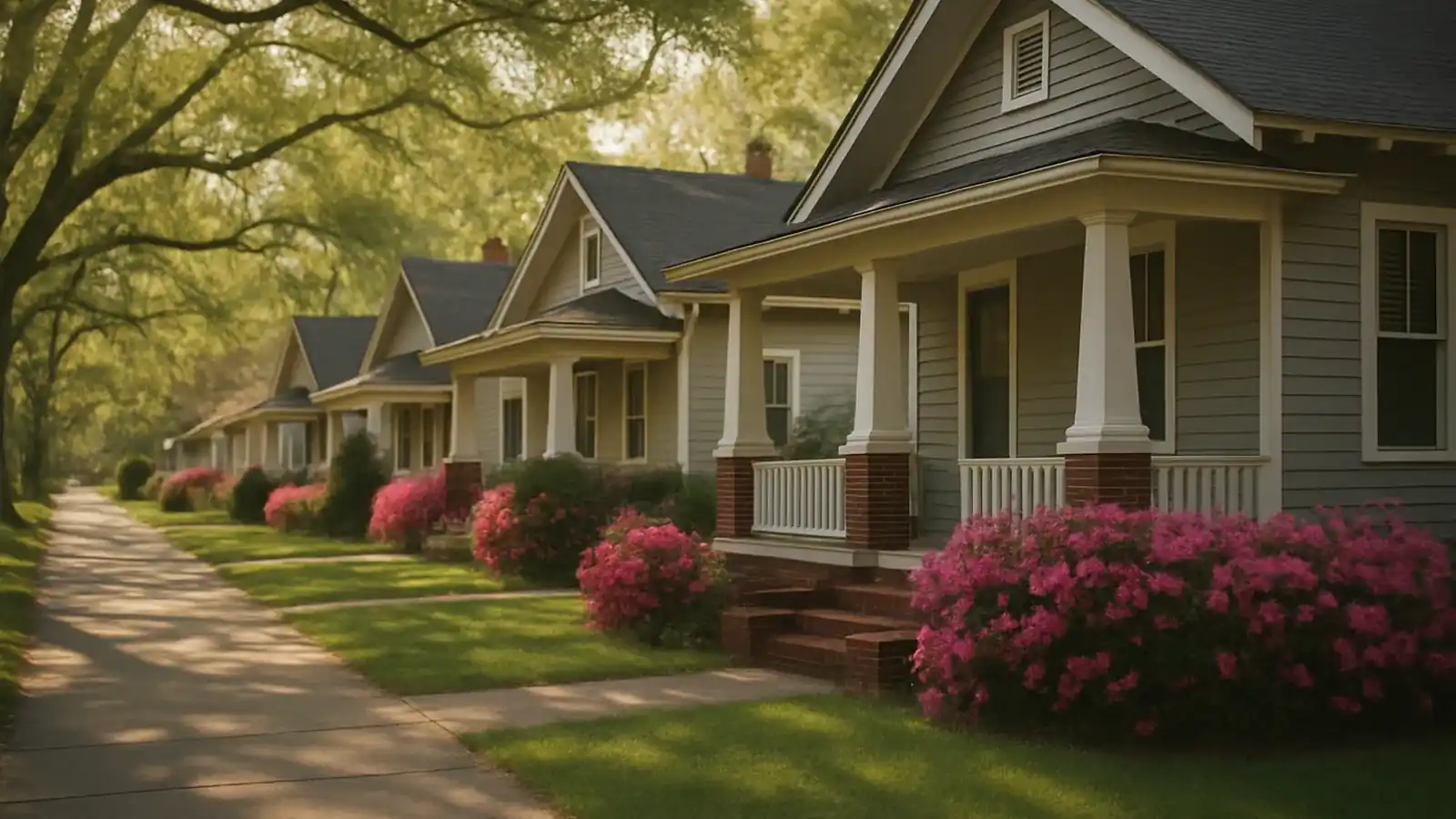
Mold removal near Fort Moore costs $1,500–$9,000 for typical remediation. Around the gates, mold is a move-out issue, a lease dispute, and a landlord liability, and documentation decides all three.
How Fort Moore's housing and lots shape the work, plus the questions neighbors actually ask.
Mold on the PCS calendar
Gate-community housing changes hands constantly, and mold shows up at the worst moments: the move-out inspection that finds a musty closet, the incoming family that smells what the listing photos didn't show, the deposit dispute where everyone has an opinion and nobody has readings. The answer is evidence: documented findings, moisture maps, itemized scopes, and clearance paperwork, the file that turns arguments into decisions.
For owners renting to the post
Landlords stationed elsewhere carry the metro's humidity risk sight unseen. A vacant rental in a Columbus summer (AC set high to save money, nobody noticing the bathroom fan quit) is a mold incubator with a mortgage. Ask for vacancy inspections, tenant-reported follow-ups, and remediation with owner-absent documentation, coordinated through a property manager who can read the file on sight.
Timeline-honest scheduling
Report dates and lease deadlines don't move, so give the specialist yours on the first call. Ask for the move-out inspection, any remediation before a listing goes live, and clearance documents timed to when the property manager needs them, not eventually.
Also serving Fort Moore properties
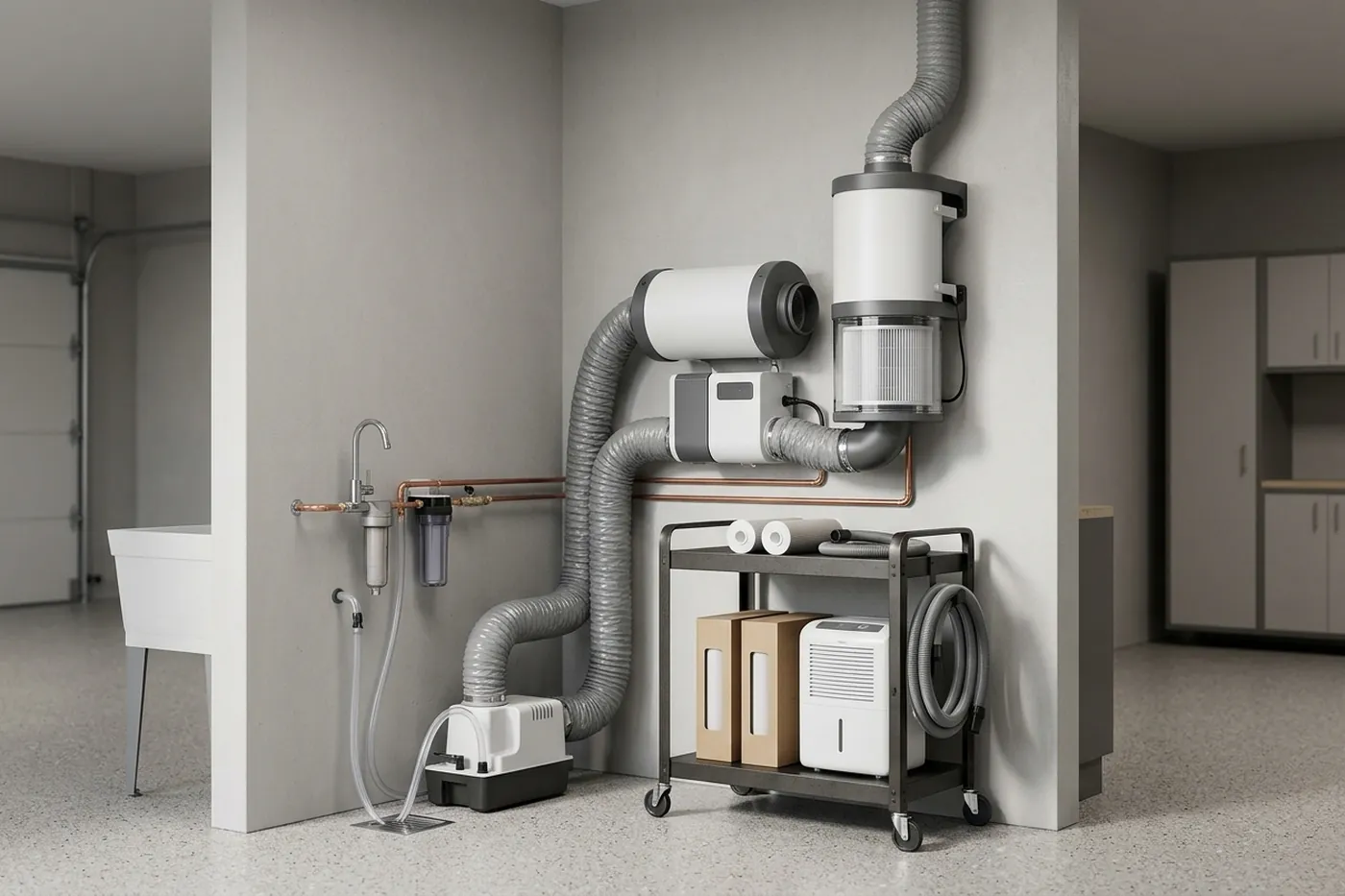
Beyond removal: full remediation, inspections, independent testing, black mold response, and water damage restoration, across the whole two-state service area. For the metro-wide view, see the Columbus mold removal homepage.
Numbers person? Start with what remediation actually costs: ranges, what moves them, and how to read a Fort Moore quote.
Who handles the mold in a military move?
A PCS timeline does not negotiate with a mold problem, so the useful question near Fort Moore is who owns the fix in each housing situation, and what to document before the movers arrive.
| Situation | What it means | Near Fort Moore specifically |
|---|---|---|
| On-post housing | The housing office and its contractor: report in writing | Privatised housing has a formal process: written reports create the record that moves it |
| Off-post rental | The landlord's repair duty. Your documentation starts the clock | Georgia rentals put repair on the landlord; your dated photos and letters set the pace |
| A home you own | Yours to fix, and timelines reward fixing before listing | Owners selling at PCS speed cannot hide known growth: disclosure follows the sale |
| Discovered mid-PCS | Photograph everything before the movers pack over it | Household goods packed over growth spread it to storage: catch it at the pre-pack |
The military-turnover rental stock around the post changes hands fast, and the same humidity works on every lease. Whichever side of a lease you are on, the dated record is what protects you.
Frequently asked questions near Fort Moore
Can an inspection happen before our move-out date?
Usually. Give the specialist the date and ask for the inspection, any work, and the clearance paperwork to be scheduled backward from it.
We found mold in the rental we just moved into: what now?
Document first: an inspection gives you findings with readings that a landlord conversation can't dismiss. Then the fix follows the lease's repair terms.
Are vacancy checks available for absent owners?
Ask the specialist about periodic humidity and condition checks during vacancies, with photo reports. Cheap insurance in this climate.
Is on-post housing in scope?
On-post housing runs through the installation's housing office , so requests here cover the communities outside the gates.
Book a Columbus mold inspection
Tell us what you're seeing, whether spots on a wall, a musty room or a leak that got away, and we'll pass it to one independent local specialist, who can set up an inspection with moisture readings. If water is coming in right now, call (762) 309-1710.