
A mold inspection in Columbus costs $200–$600 and produces what a musty smell or a suspicious stain can't: photographs, moisture readings, extent, cause, and a written scope with numbers, in a climate where guessing wrong means the problem keeps growing most of the year.
What a real inspection covers, when you need one, and what the report lets you do next.
When an inspection is the right first move
- A musty room with nothing visible: the classic hidden-growth signature
- A stain you can't explain on a ceiling or wall
- After any water event (storm intrusion, plumbing failure, roof leak) even if things look dry now
- Buying or selling. This climate makes mold history a fair question in any transaction
- Tenant or landlord disputes, where documented findings beat competing opinions
What the visit covers
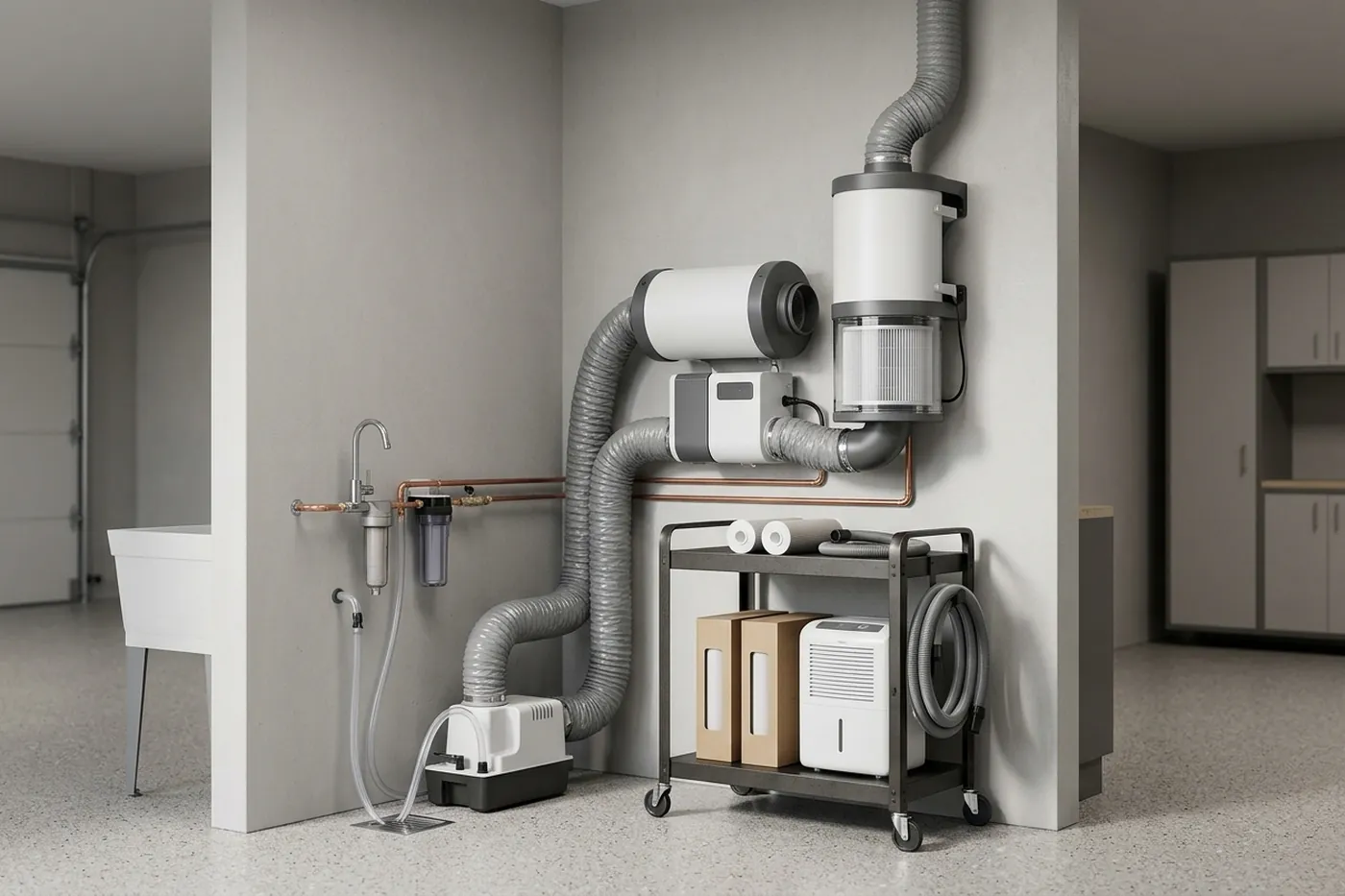
An hour or more on site, evidence-first: moisture readings across suspect surfaces and the rooms around them, relative humidity by area, visible growth photographed and measured, HVAC and duct condition where symptoms point there, attic and crawl access when the smell says up or down, and the exterior water path when the source hunt requires it. The metro's humid season means borderline readings matter. A wall at the growth threshold in June will cross it by August, and the report says so plainly.
What you can do with the report
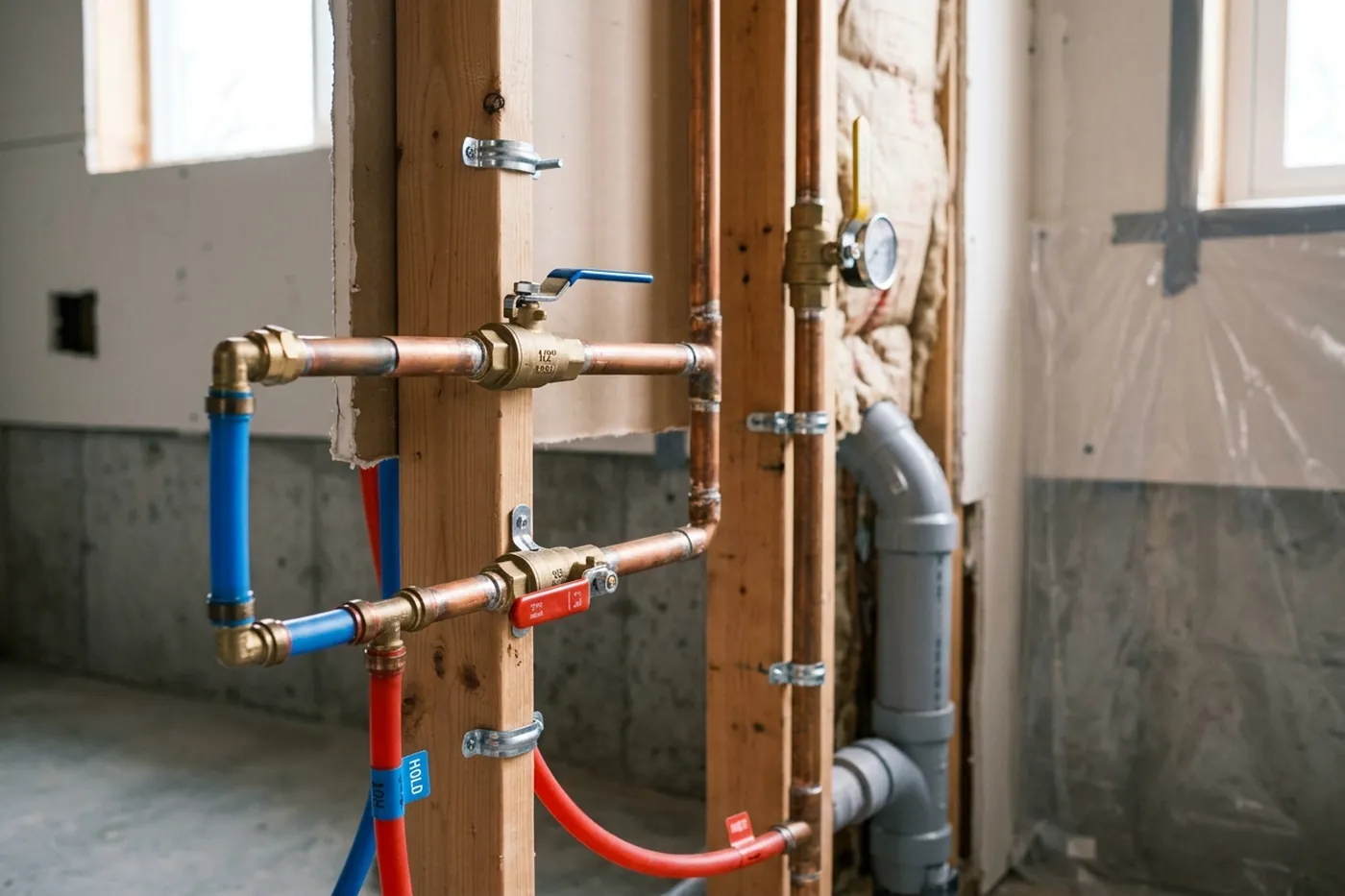
Everything. You should be able to take the written scope to any competitor for a bid; the photos and readings make it portable. Hand it to your adjuster with the cause narrative attached. Use it in a purchase negotiation with the extent documented. Or file it as your baseline and re-test after a fix. An inspection that only works as a sales funnel isn't an inspection; a good one is built to stand alone, and priced so it can.
From inspection to mold removal, without the leap of faith
When findings justify work, a good inspection leads to an itemized mold removal scope, with each line tied to a photograph and each price tied to measured extent. When findings don't justify work, the report says that in writing, which happens more often than this industry admits: condensation stains that need a fan upgrade, closet mustiness that needs airflow, a past leak that dried before growth took hold. Paying a few hundred dollars to learn you don't need a few thousand dollars of mold removal is the inspection working exactly as designed.
And when you do proceed, ask whether the inspection fee is credited toward the project, so the evidence step costs nothing extra.
The inspection route a Valley house deserves
A Columbus mold inspection runs a fixed route because this housing stock fails in known places: the air-handler closet first (the condensation engine of the long cooling season), then attic planes and duct runs where chilled air meets Georgia heat, then the envelope, window returns, bathroom stacks, the crawl or slab line where ground moisture climbs. Meters lead and cameras verify: moisture readings and thermal imaging map what eyes can't, and sampling is recommended only where readings justify lab spend rather than as a reflex.
A good report is written to be used: readings by location, photographed findings, the causal story, and corrections in priority order. Real-estate timelines get told what the transaction needs first; worried households get plain answers about what's growing and why, and if the honest finding is "condensation stain, no active growth," that's what the paper says.
Which finding tells you what?
A Columbus inspection is mostly a moisture hunt with a mold question attached, because in this cooling season anything damp long enough is growing something.
| Situation | What it means | How it reads locally |
|---|---|---|
| Visible growth found | That alone justifies action: sampling becomes optional | Growth you can see settles it: EPA guidance puts the money into removal |
| Moisture found, no growth yet | The cause caught early. Fix water, skip demolition | The valuable find: humidity or a slow leak caught before colonisation |
| Air counts elevated | A lead worth following, not a diagnosis on its own | Elevated counts here often trace to one damp chase, not a whole-house problem |
| Nothing found, smell persists | Cavity or equipment inspection is the honest next step | Persistent smell with clean surfaces points at cavities the humid season keeps wet |
Inspections here run $200-$600, and the good ones hand you a moisture map, not just a yes or no. That map is what makes any later work quotable.
Frequently asked questions
What does a mold inspection cost in Columbus?
$200-$600 depending on property size and whether cavity investigation is needed. Ask whether the fee is credited toward remediation if the same company does the work.
What does an inspection actually check?
The visible growth and everything that feeds it: moisture readings across suspect surfaces, humidity by room, HVAC and duct condition, attic and plumbing penetrations, and the water path outside where relevant. Ask for photos and numbers, not a verbal shrug.
I smell mold but can't see any. Can an inspection find it?
That's the inspection's specialty. Musty smell with nothing visible usually means cavity growth, and moisture mapping narrows the hunt to the wet wall before anyone cuts anything.
Is the inspector the same company that sells remediation?
Often it is. Manage the conflict with evidence: ask for every finding to be photographed and measured, so you can take the report to any competitor for a bid. Reports that survive that test keep everyone honest.
Book a Columbus mold inspection
Tell us what you're seeing, whether spots on a wall, a musty room or a leak that got away, and we'll pass it to one independent local specialist, who can set up an inspection with moisture readings. If water is coming in right now, call (762) 309-1710.